Afghanistan
Energy + Mission Profile
Country Overview
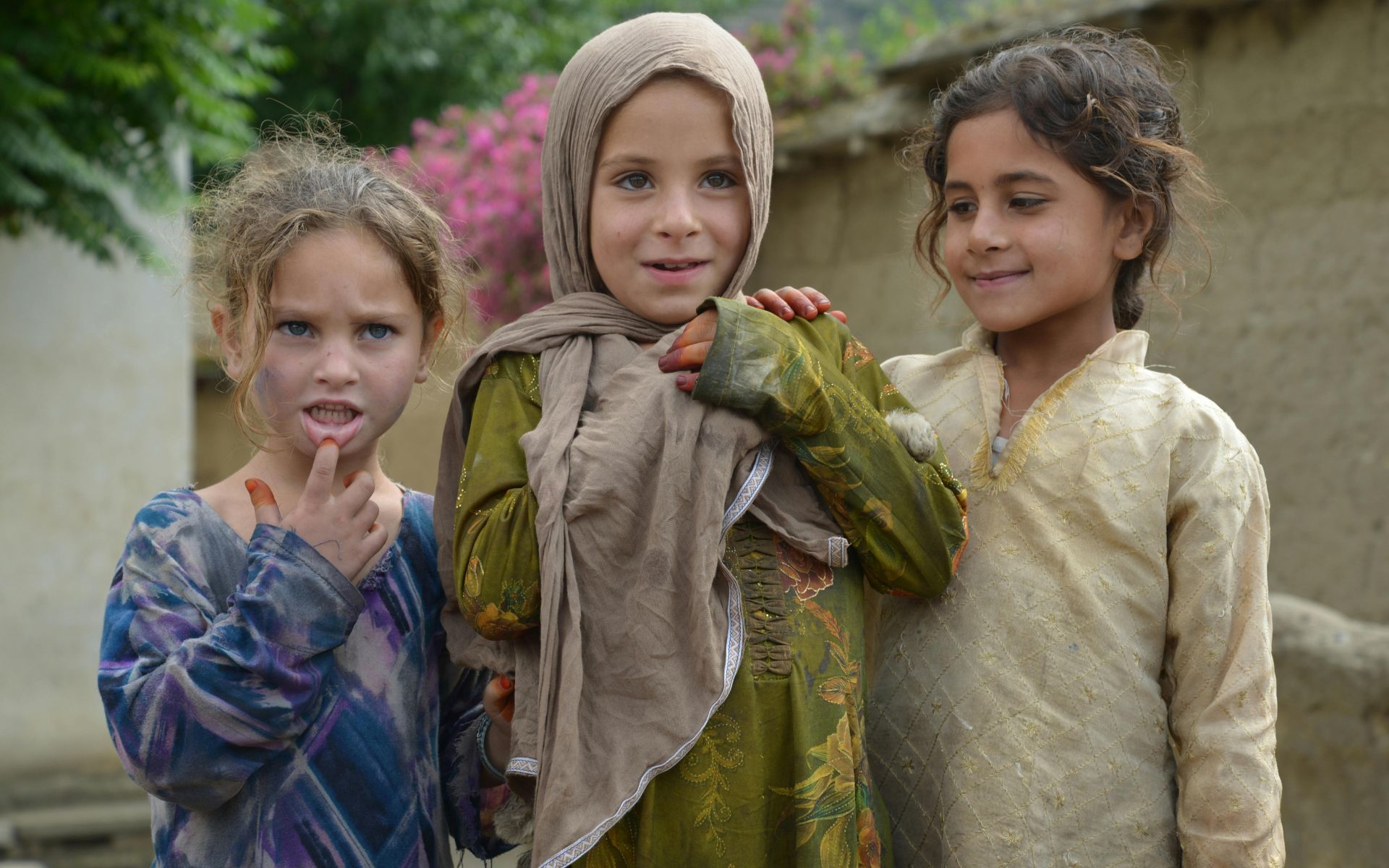
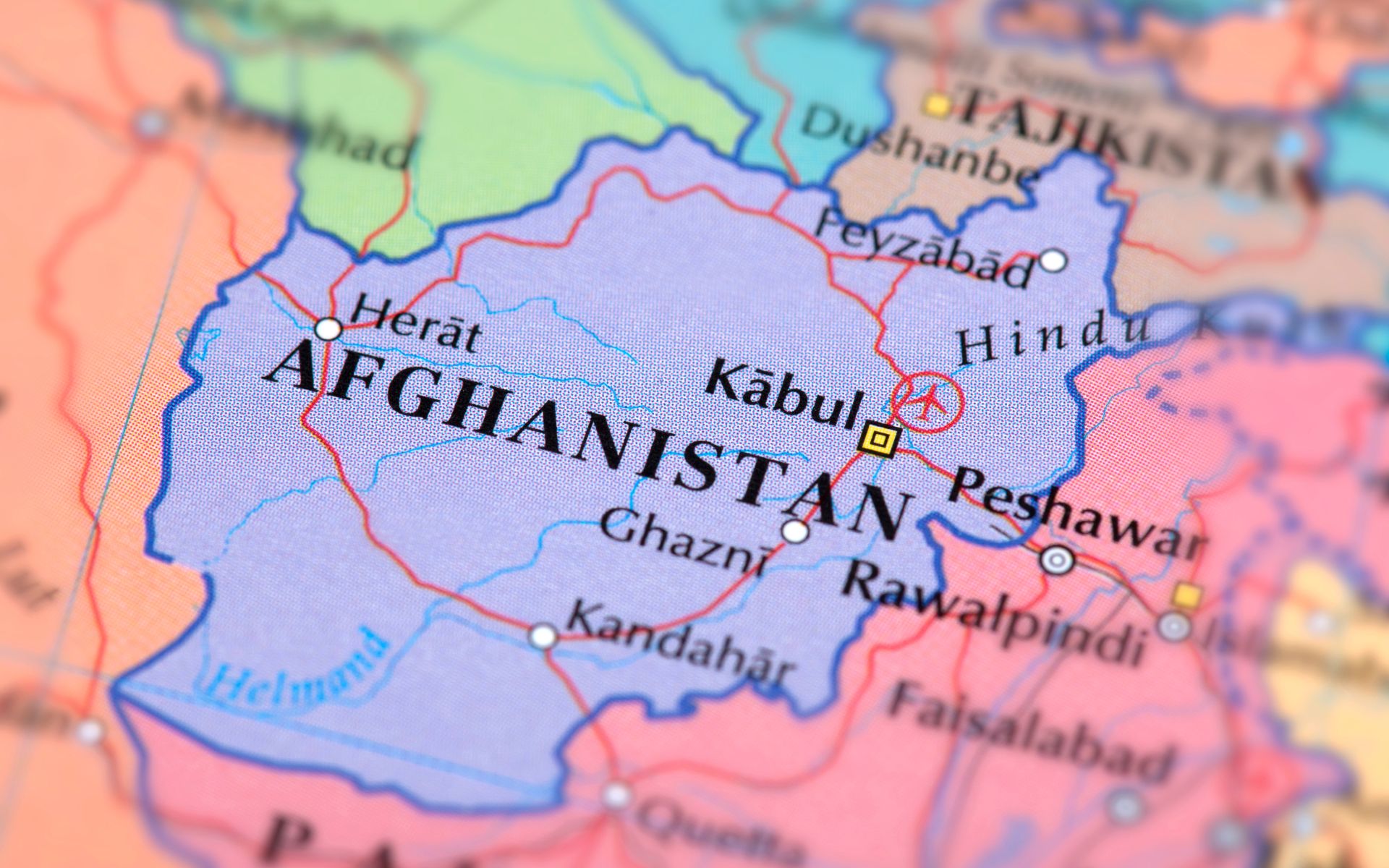
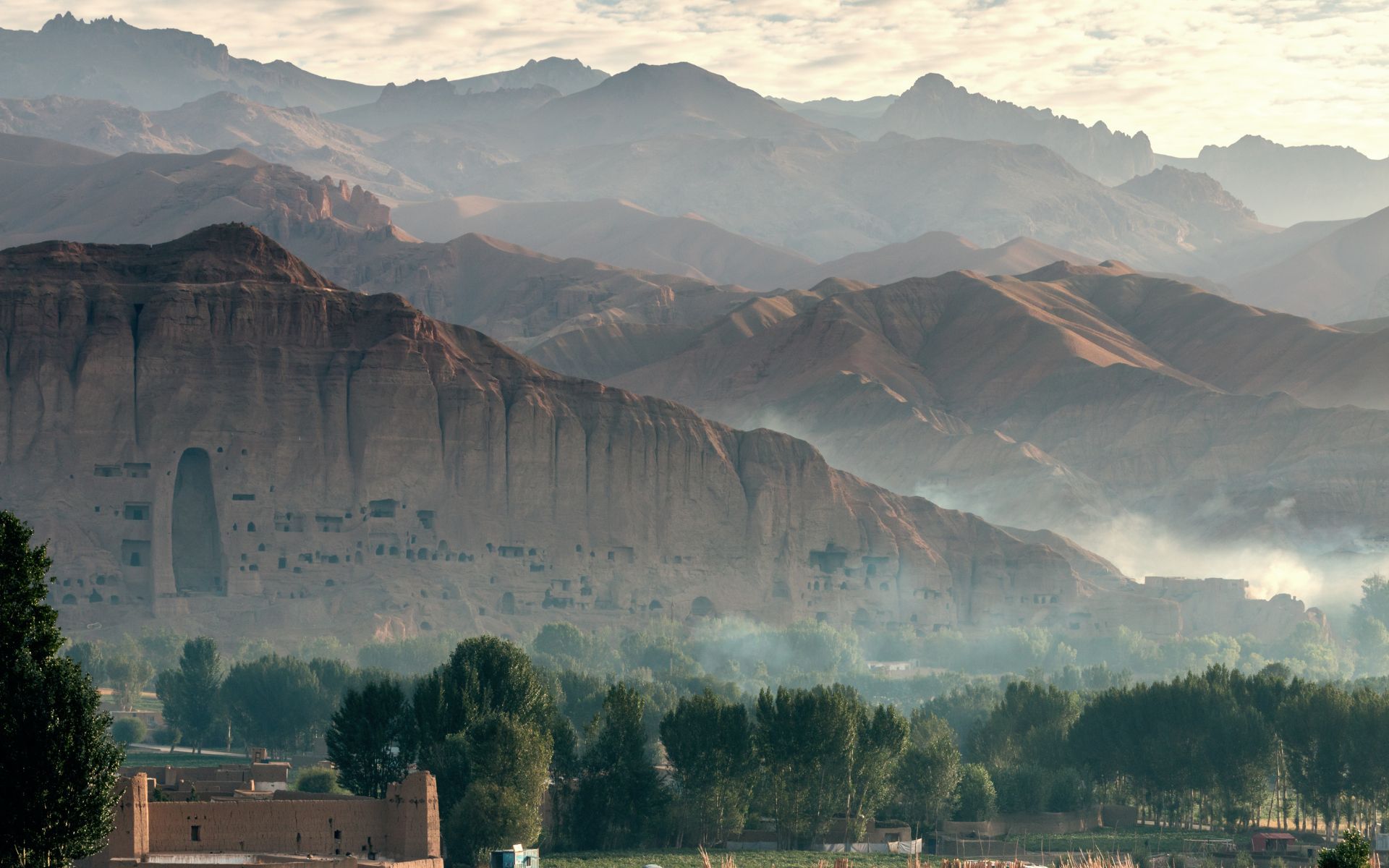
Afghanistan is a rugged, mountainous nation of nearly 42 million people, marked by decades of conflict, limited infrastructure, and some of the world’s most difficult environments for both energy development and Christian mission work. While Christianity exists only in small, underground communities, humanitarian and development organizations continue to serve discreetly, meeting physical needs and building long-term stability.
Afghanistan represents one of the clearest examples of how energy, compassion, and mission overlap in high-need regions.
-
Population: ~42 million
- Primary religions: 99% Muslim
- Energy access: Low and inconsistent
-
Why this country matters: Energy challenges directly worsen poverty, education access, and healthcare delivery—areas where mission-aligned NGOs can shine.
⚡ Energy Landscape
Afghanistan’s energy system is strained, fragile, and highly dependent on external sources.
Electricity Access
- Only 35–40% of the population has reliable electricity.
- Rural areas rely heavily on diesel generators, car batteries, or have no electricity at all.
- Urban centers like Kabul experience frequent blackouts, sometimes daily.
Primary Energy Sources
-
Imported power from neighboring countries (Uzbekistan, Tajikistan, Iran).
-
Hydropower, though limited by geography and conflict.
-
Diesel, which is expensive and often difficult for ministries or NGOs to afford.
-
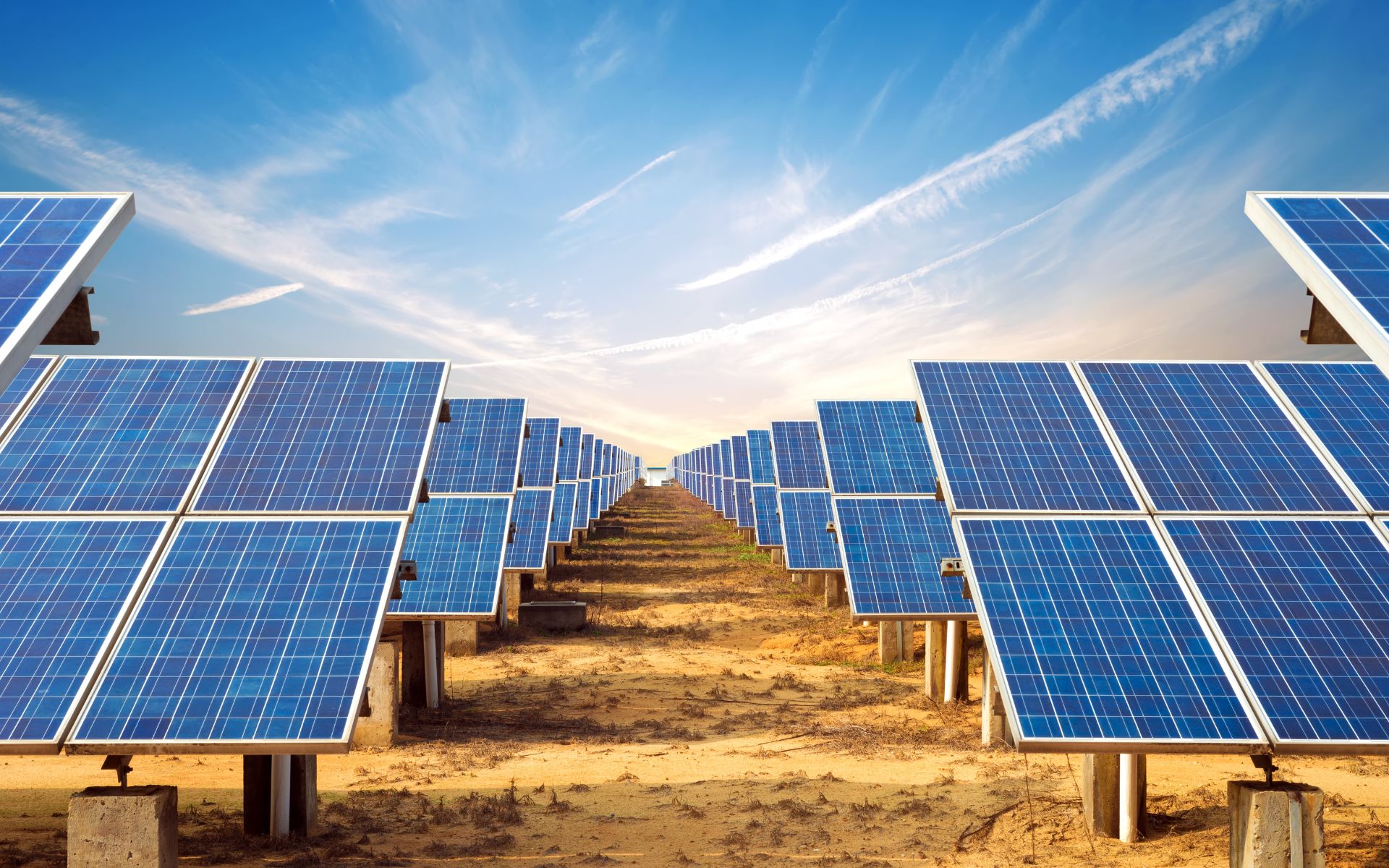
Growing solar adoption, especially in rural areas.
Energy Cost & Reliability
Energy costs are unpredictable because:
-
Imports fluctuate
-
Distribution losses are high
-
Infrastructure has been damaged or under-maintained
For humanitarian organizations, energy represents both a logistical challenge and a major expense.
Mission & Ministry Landscape
Afghanistan is one of the most restricted nations in the world for Christian expression. However:
- Underground Christian fellowships exist in very small numbers.
- Mission-aligned NGOs focus on education, health clinics, agriculture, and relief.
- Compassion-driven work is often the only meaningful expression of God’s love available.
Challenges for ministries:
- Security risks
- Limited access to buildings or facilities
- Difficulty obtaining equipment, including energy systems
- Financial constraints amplified by high energy costs
Even small improvements in energy reliability can significantly strengthen humanitarian impact.
⚡ Where Energy Meets Mission
This country’s conditions make energy stewardship a strategic tool for mission-aligned work.
Energy efficiency creates stability
NGOs operating clinics, schools, or safe houses face:
- High generator costs
- Fuel scarcity
- Unpredictable outages
Improved energy systems—especially solar and storage—allow ministries to:
Improved energy systems—especially solar and storage—allow ministries to:
-
Power refrigeration for medicine
-
Run lights, computers, and communication systems
-
Maintain safe indoor environments
-
Reduce operating budgets by 20–40%
Solar is a lifeline
Small to mid-size solar arrays offer:
-
Long-term cost savings
-
Independence from unstable grids
-
Quiet, non-disruptive operation
Energy becomes not just a technical solution but a ministry multiplier.
Energy for Mission Opportunities
Even though public ministry is impossible, mission-aligned work can thrive when energy challenges are addressed.
Potential areas for impact:
- Rural health posts needing solar for refrigerators, lights, and equipment
- Women’s education centers benefiting from low-cost lighting and fans
- Safe houses requiring quiet, reliable power
- Agricultural projects where solar irrigation reduces fuel expenses
Your model—reducing operating expenses so more resources can serve people—fits Afghanistan exceptionally well.
Photos & Media
Scripture & Vision
“The light shines in the darkness, and the darkness has not overcome it.” — John 1:5
In a country where both physical and spiritual darkness are overwhelming, energy becomes a literal and symbolic source of life, stability, and hope. Every watt saved or generated for mission-aligned organizations becomes an act of stewardship and compassion.
Partnering in Afghanistan
Although Energy for Mission cannot operate publicly in Afghanistan, partnerships can support:
- Humanitarian groups working discreetly
- Solar resilience projects
- Energy assessments for clinics or learning centers
- Compassion-driven infrastructure improvements
Your model provides a bridge between reliable energy and transformative service in one of the most challenging mission fields on earth.
Get in Touch
If you'd like to get started or maybe just want more information, we'd love to hear from you and see how we can help you start saving money through energy management today.